ACTION 13

Dispensing

Transferring a target amount of a flowable, uncountable medium into a designated vessel

Why It Matters

Metering flowable media is a process whose error tolerance is fixed by specification. Examples include metering ingredients into a batch, aliquoting reagents, dispensing fixed volumes of beverages, and portioning bulk inbound goods.

Dedicated fillers and metering pumps work on lines where container specifications and viscosity are fixed. When containers and materials vary from run to run, open-loop trajectories cannot be reused, so the flow must be adjusted during discharge.

Skills 5

13-AMeasured Pouring

Flow continues by inertia after pouring stops, and that excess becomes the metering error.
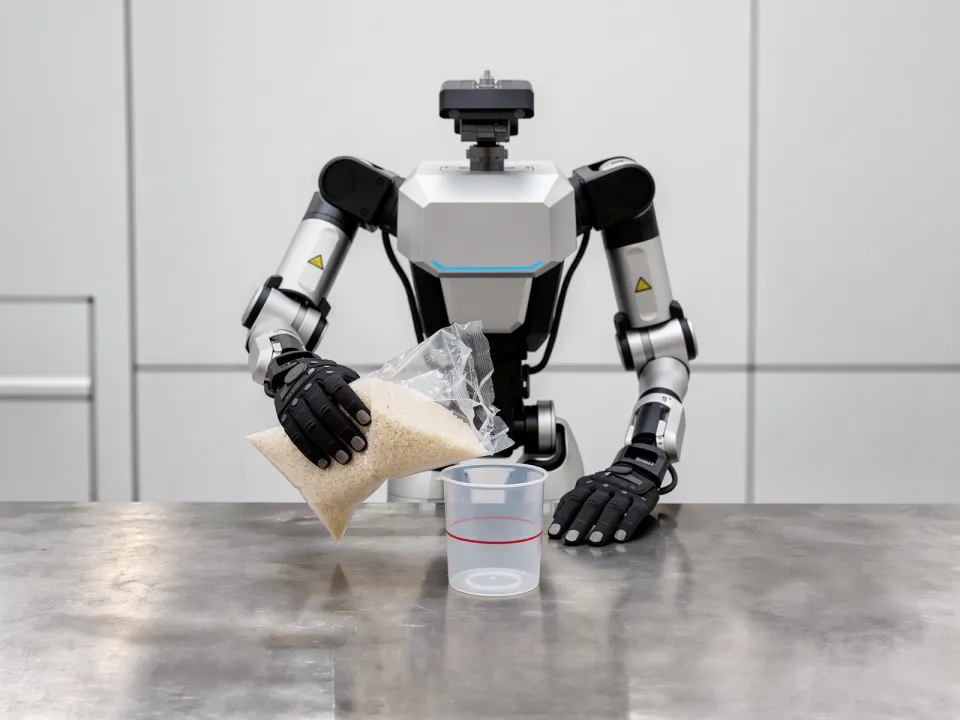
Measured Pouring — Initial state
Initial stateA container holding flowable media and a receptacle are separate.
Measured Pouring — Final state
Final stateThe target amount is transferred to the receptacle, and the flow has stopped.
C_geom does not applyC_force does not applyC_contact does not applyC_obs does not applyC_deform appliesC_dyn applies
E1 does not applyE2 does not applyE3 appliesE4 does not applyE5 does not apply

13-BNarrow-Neck Dispensing

The opening is narrow, so the discharge point must be held in place while the flow rate is controlled.


Narrow-Neck Dispensing — Initial state
Initial stateA container holding flowable media and a receptacle with a narrow opening are separate.
Narrow-Neck Dispensing — Final state
Final stateThe target amount is dispensed into the receptacle without overflow.
C_geom appliesC_force does not applyC_contact does not applyC_obs does not applyC_deform appliesC_dyn applies
E1 does not applyE2 appliesE3 appliesE4 does not applyE5 does not apply

13-COpaque-Vessel Filling

The inside of the receptacle cannot be observed, so the fill level must be judged from indirect signals alone.


Opaque-Vessel Filling — Initial state
Initial stateA receptacle whose inside cannot be observed is empty.
Opaque-Vessel Filling — Final state
Final stateThe receptacle is filled to the target level, and the flow has stopped.
C_geom does not applyC_force does not applyC_contact does not applyC_obs appliesC_deform appliesC_dyn applies
E1 does not applyE2 does not applyE3 appliesE4 appliesE5 does not apply

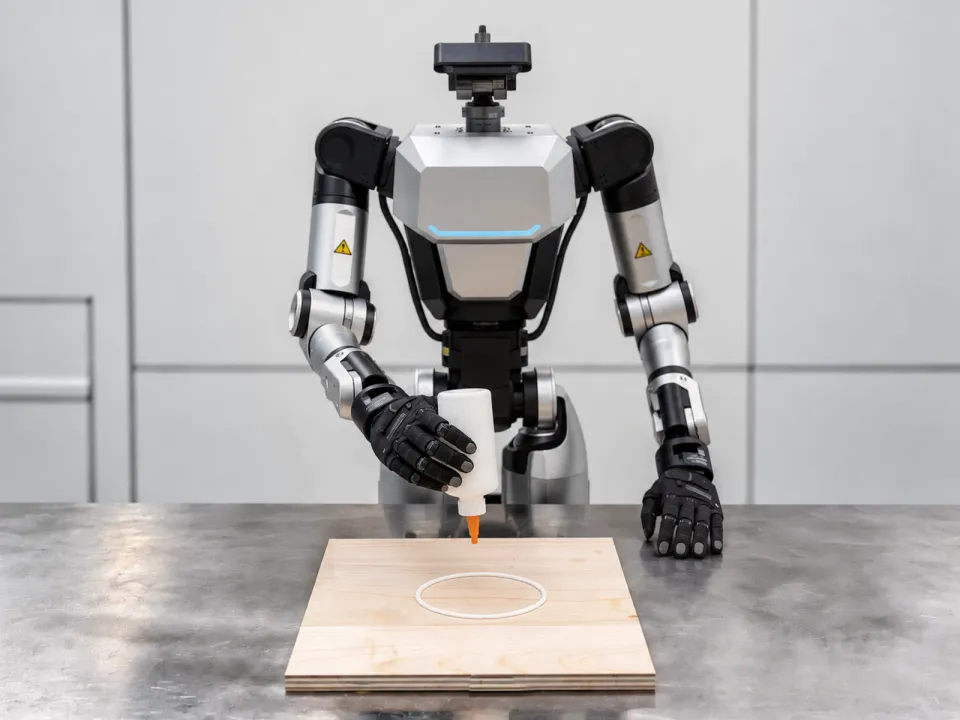
13-DViscous Liquid Dispensing

Applied force and discharge volume are not proportional, so the range between starting the flow and over-dispensing is narrow.
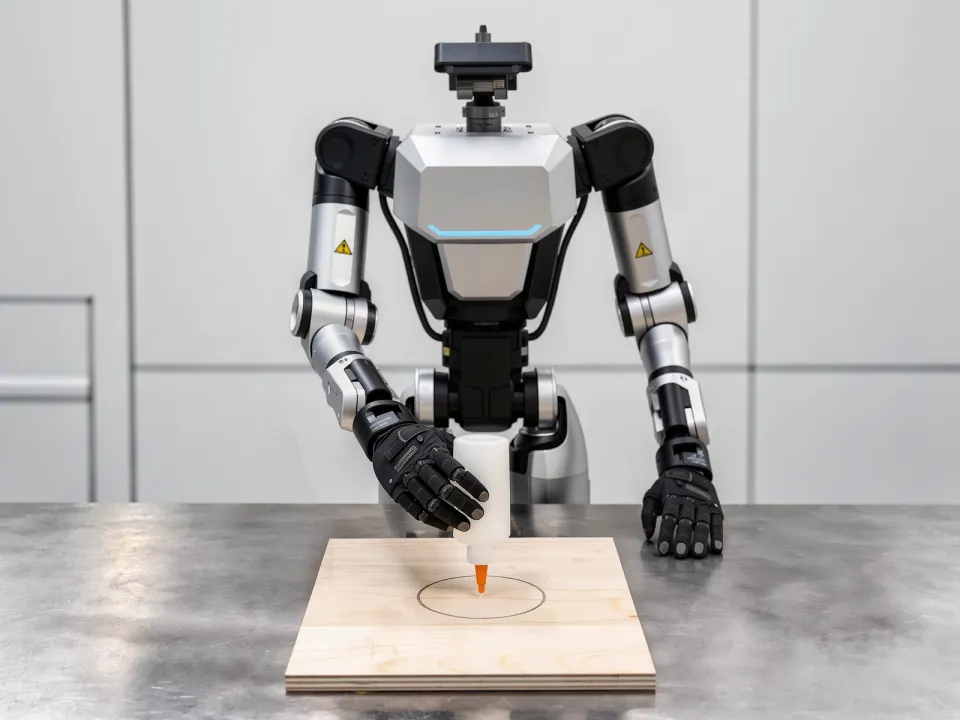
Viscous Liquid Dispensing — Initial state
Initial stateA container holding highly viscous media and a receptacle are separate.
Viscous Liquid Dispensing — Final state
Final stateThe target amount is dispensed with no excess.
C_geom does not applyC_force appliesC_contact does not applyC_obs does not applyC_deform appliesC_dyn applies
E1 does not applyE2 does not applyE3 appliesE4 appliesE5 does not apply

13-EMicro-Volume DispensingTOOL

The target volume is beyond what vision can confirm, so the dispensed amount must be set by tool travel alone.


Micro-Volume Dispensing — Initial state
Initial stateFlowable media and a receptacle are separate, and a tool is held in hand.
Micro-Volume Dispensing — Final state
Final stateThe target amount, too small for vision to verify, is transferred to the receptacle.
C_geom does not applyC_force appliesC_contact does not applyC_obs appliesC_deform appliesC_dyn applies
E1 does not applyE2 appliesE3 appliesE4 appliesE5 does not apply